
Blessing Bamiduro
Malta wasn’t on my radar until I started researching Mediterranean destinations that weren’t overcrowded, overpriced, or overhyped. What I found was a country that checked every box I didn’t know I had. Ancient history, turquoise water, walkable cities, food that surprised me, and a pace of life that made five days feel like two weeks.
This Malta itinerary is built around balance. You’re not rushing between landmarks or cramming in every activity. You’re seeing the best of what Malta offers while leaving room to breathe, eat well, and actually enjoy the trip.
If you’re planning a Malta trip for 2026, this is the guide. If I’ve been there, you’ll have everything you need to go too.
Before You Go: Malta Essentials
Fly into: Malta International Airport (MLA). It’s the only airport on the island, and it’s small enough to be in and out quickly.
Currency: Euro (€). Cards are widely accepted almost everywhere.
Language: English and Maltese. You won’t have any communication issues.
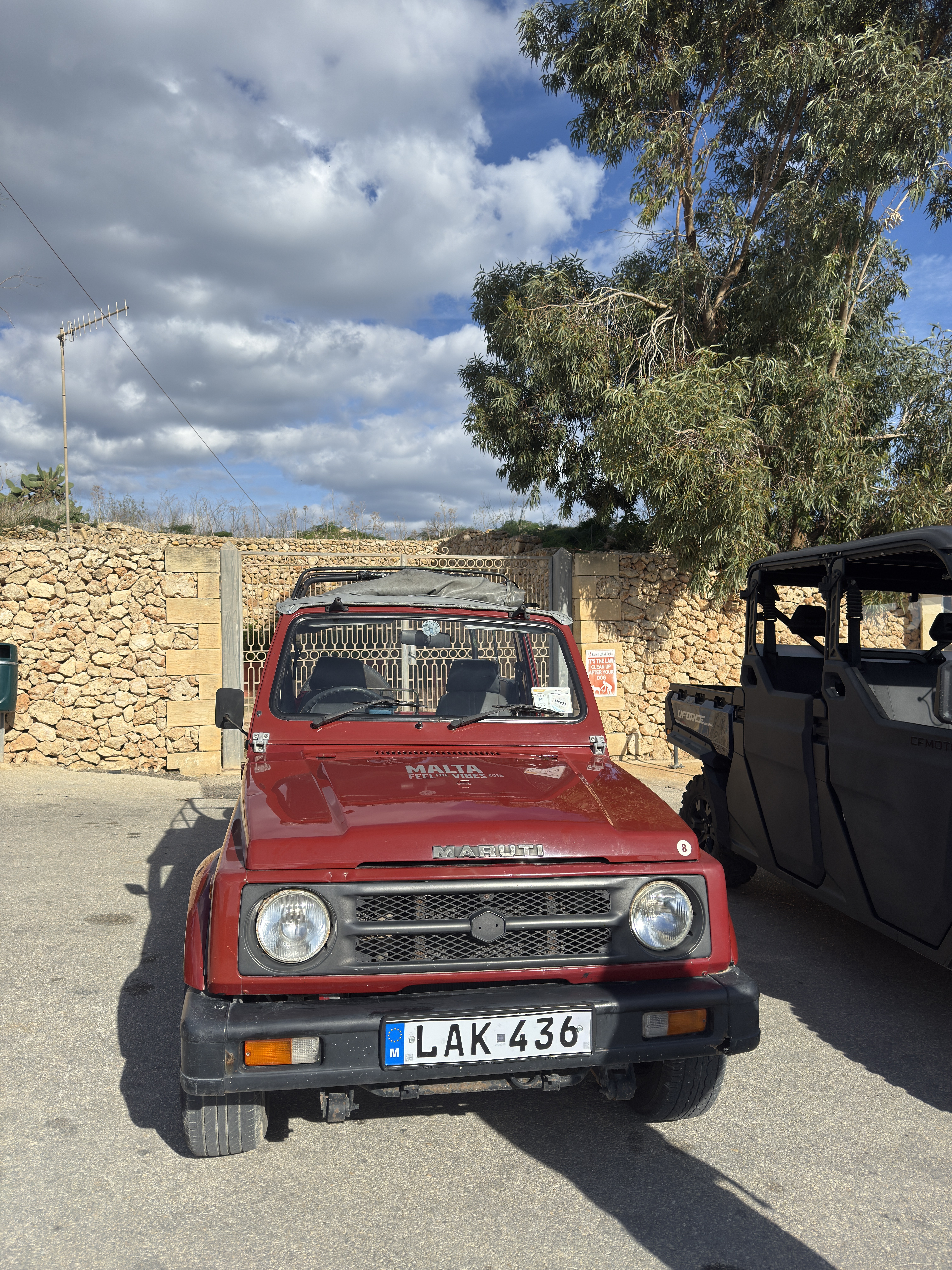
Getting around: Malta is small. Buses are cheap and reliable. Bolt (like Uber) works well for shorter trips. I wouldn’t recommend renting a car unless you’re very comfortable with narrow European roads and aggressive driving.
Where to Stay
Base yourself in or near Valletta for the most convenient access to everything. Here are three options depending on your vibe:
AX Odycy: Seafront, relaxed luxury. Great pool and rooftop. My pick for a comfortable mid-range stay.
ME Malta (Meliá): Modern, central, stylish. Walking distance to Valletta’s main attractions.
Damare Resort & Spa: Quieter, boutique feel. Good if you want something more tucked away.
Day 1: Settle Into Valletta
Theme: Ease into the island
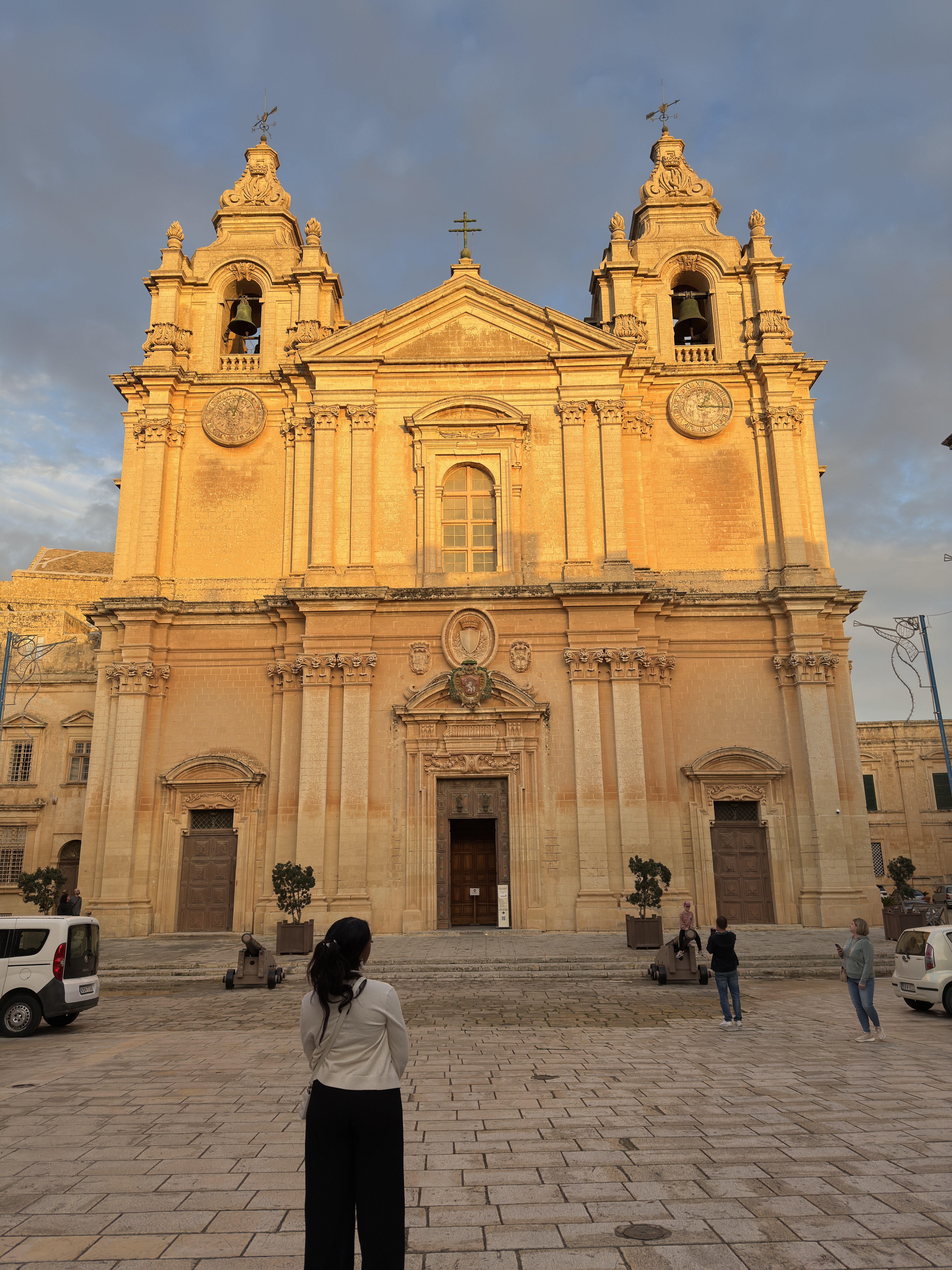
Don’t try to see everything on day one. Check in, drop your bags, and let Valletta introduce itself to you at walking pace.
Walk Republic Street, the main pedestrian artery of the city. It’s lined with cafes, shops, and limestone architecture that glows in the late afternoon light. Turn off onto Strait Street for a quieter, moodier energy, it used to be the old nightlife strip and still has that character.
End your first evening at the Valletta waterfront. The sunset from here sets the tone for the rest of the trip. No rush. Just arrive.
Day 2: Gozo Island
Theme: Dramatic landscapes and a different pace
Gozo is Malta’s quieter, more rugged sister island. You can do it as a guided day tour (around €75) or DIY it with the ferry and a taxi. I’d recommend the guided tour unless you want to deal with logistics on a day that should be about relaxing.
Highlights on Gozo that are worth your time:
Calypso Cave views: panoramic and dramatic. Named after the nymph from Homer’s Odyssey.
Xlendi Bay: a small inlet surrounded by cliffs. Quiet, beautiful, and free to enjoy.
Gozo Salt Pans: centuries-old salt harvesting pools carved into the rock. Free to visit and incredibly photogenic.
Ggantija Temples (€10): older than the pyramids. Let that sit for a moment.
Citadel, Gozo: free entry. Elevated views of the entire island.
Gozo feels like a different country entirely. The pace slows down, the landscape gets wilder, and you realize Malta has layers you didn’t expect.
Day 3: Explore Valletta Properly
Theme: Culture, architecture, and eating well
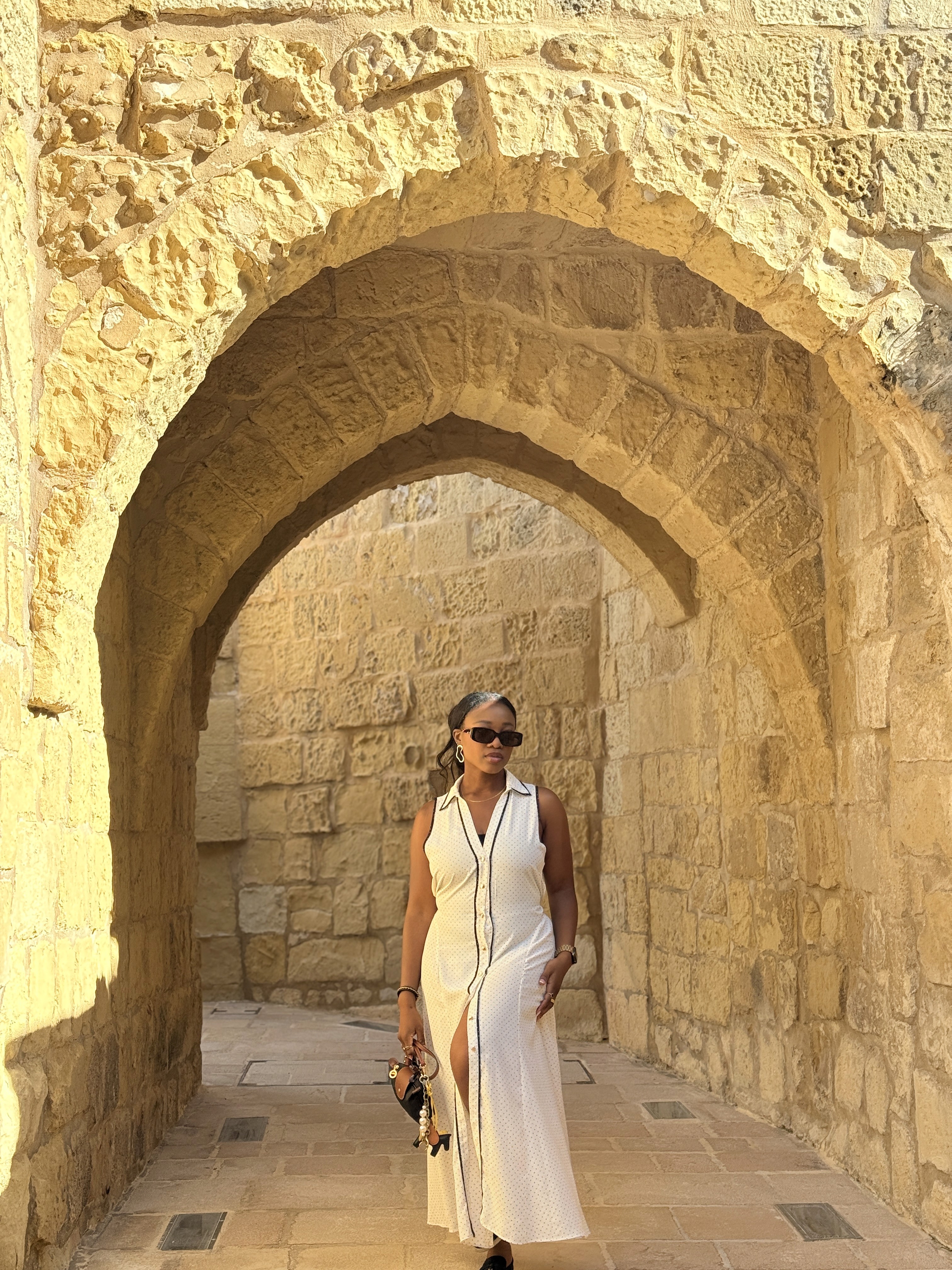
Morning: Start at St John’s Co-Cathedral (€15 entry). This is one of the most stunning church interiors in Europe. Caravaggio paintings, ornate Baroque detail, and an atmosphere that genuinely stops you in your tracks.
Midday: Lunch at Legligin. Get the 5-course Maltese tasting menu. The fact that a meal this good costs around €45 in a European capital is part of why Malta is such a smart destination.
Afternoon: Upper Barrakka Gardens for the iconic view overlooking the Three Cities. Free entry. Then walk through Castille Place and let yourself wander the side streets. Valletta is compact enough that getting lost is actually productive.
Evening: St Lucy Street and Melita Street for nightlife. Nothing too wild, cocktail bars, live music, and the kind of energy that makes you forget you’re on a small island.
Day 4: Comino + Mdina
Theme: Water in the morning, history in the afternoon
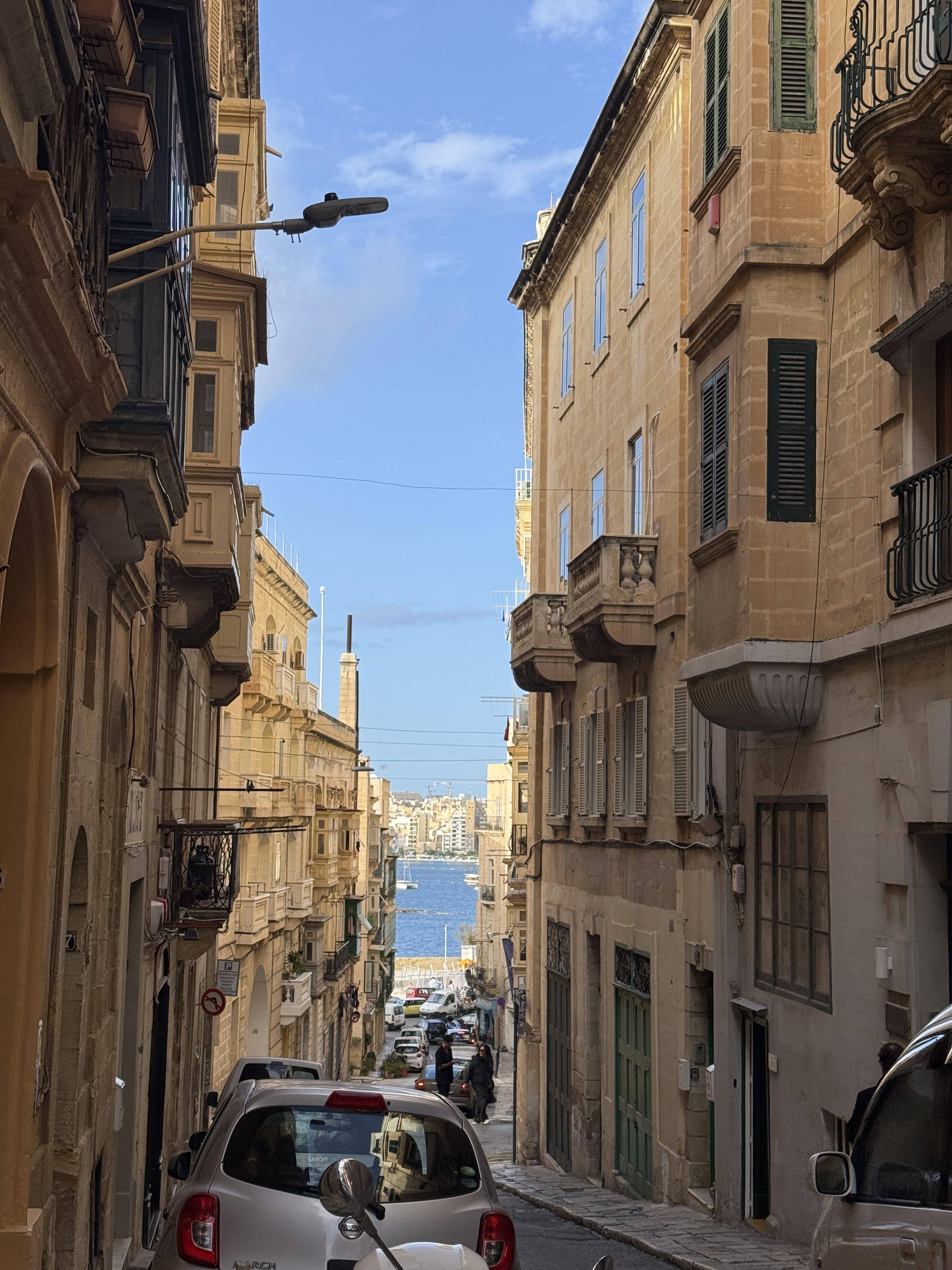
Morning: Ferry to Comino (around €15 round trip). The Blue Lagoon is the main draw and it earns its reputation. Crystal clear water in a sheltered cove. Get there on the earliest ferry (around 8:30 AM) before the tour boats arrive — the difference between an early visit and a midday visit is night and day.
Afternoon: Mdina, the Silent City. This is a walled medieval town that feels like walking onto a film set. Almost no cars, narrow limestone alleyways, and views from the ramparts that stretch across the entire island. If you’re a Game of Thrones fan, this was used as a filming location.
Evening: Dinner at Grana in Valletta. A good way to close out your last full night.
Day 5: Departure
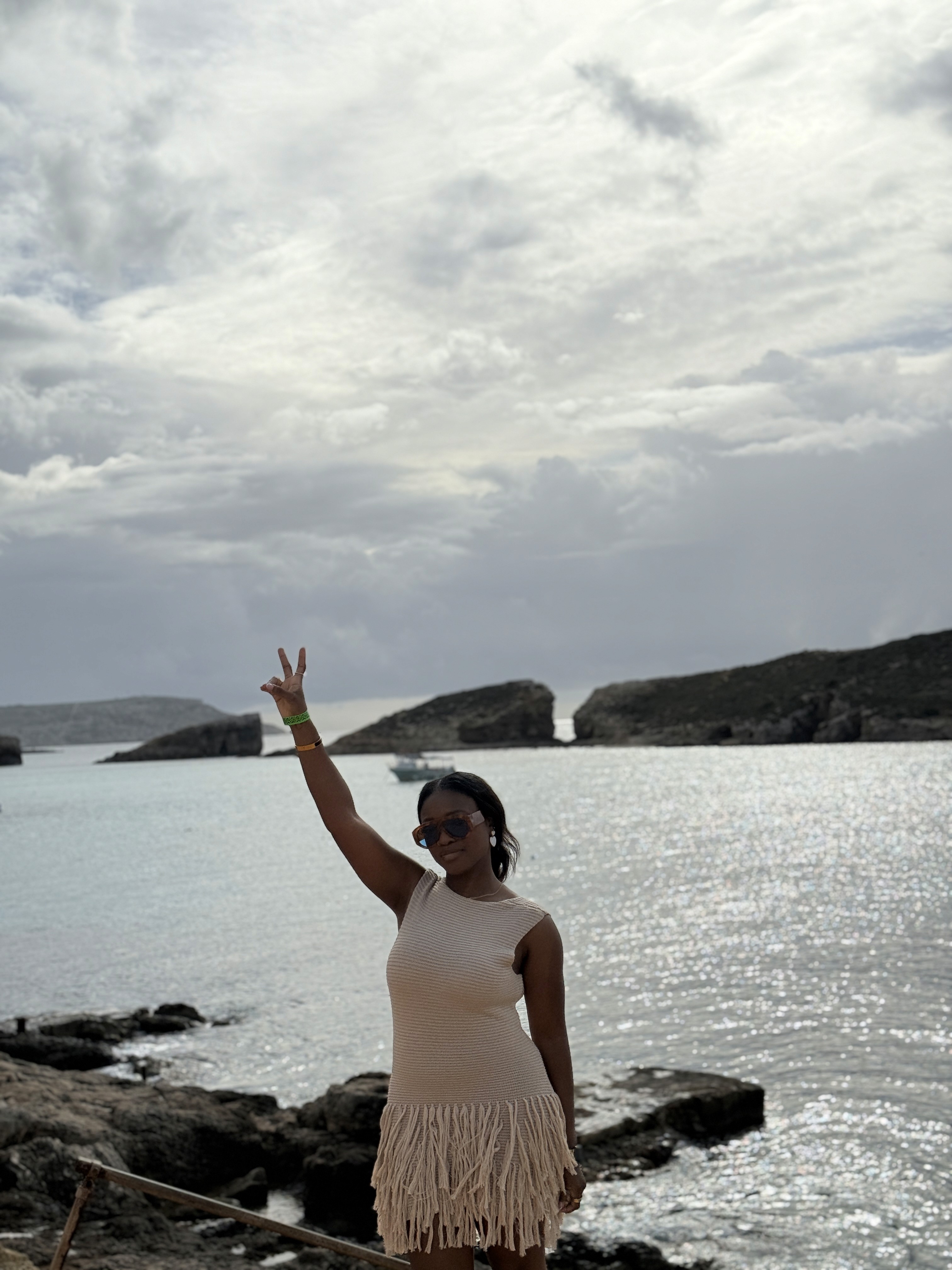
Coffee. One last walk through the Porta Catania or Porta Messina city gates. Soak it in. Fly out of Malta International with your expectations for Mediterranean travel permanently recalibrated.
What This Malta Itinerary Actually Costs
Malta is one of the best-value destinations in the Mediterranean. Here’s a realistic breakdown:
Accommodation: €80–€180/night depending on hotel tier
Gozo day tour: ~€75
Comino ferry: ~€15
St John’s Cathedral: €15
Ggantija Temples: €10
Food: €25–€50/day (you can eat incredibly well here for less than most European capitals)
Transport: €10–€20/day (buses + occasional Bolt)
Total estimate for 5 days (not including flights): €700–€1,200 depending on your accommodation choices and how you eat.
For a Mediterranean island with this much to offer, that’s genuinely hard to beat.
Is Malta Worth Visiting?
Malta is one of those destinations that changes how you think about what’s possible. It’s compact, English-speaking, affordable, and has more depth than countries three times its size. Ancient temples older than the pyramids, Mediterranean water that looks AI-generated, food that punches well above its price point, and a pace of life that makes you wonder why everyone crowds into the same five European cities every summer.
If Southern Europe is calling and you want something that feels discovered rather than defaulted to, Malta is it. And if you combine it with Sicily (only a 45-minute flight away), you’ve got one of the best Mediterranean trips I’ve ever taken.
FAQ: Malta Travel Questions
Is Malta safe for solo travelers?
Yes. Malta felt very safe throughout my entire trip. It’s a small, walkable country with a low crime rate and English is widely spoken, which makes navigating easy.
How many days do you need in Malta?
I’d say 4–5 days is the sweet spot. You can see the highlights without rushing, and you’ll have time for a Gozo day trip and the Blue Lagoon.
Is Malta expensive?
Compared to most Mediterranean destinations, no. It’s significantly more affordable than Italy, Greece, or the south of France, especially for food and accommodation.
When is the best time to visit Malta?
April through June and September through October. Summer (July–August) is hot and the Blue Lagoon gets very crowded. Shoulder season gives you warm weather with fewer crowds.
Can you combine Malta with another destination?
Absolutely. I combined Malta with Sicily — a 45-minute flight connects them. It’s one of the best country-coupling combos in Europe.
Last Updated: March 2026. All prices and recommendations reflect my personal experience and are subject to change.