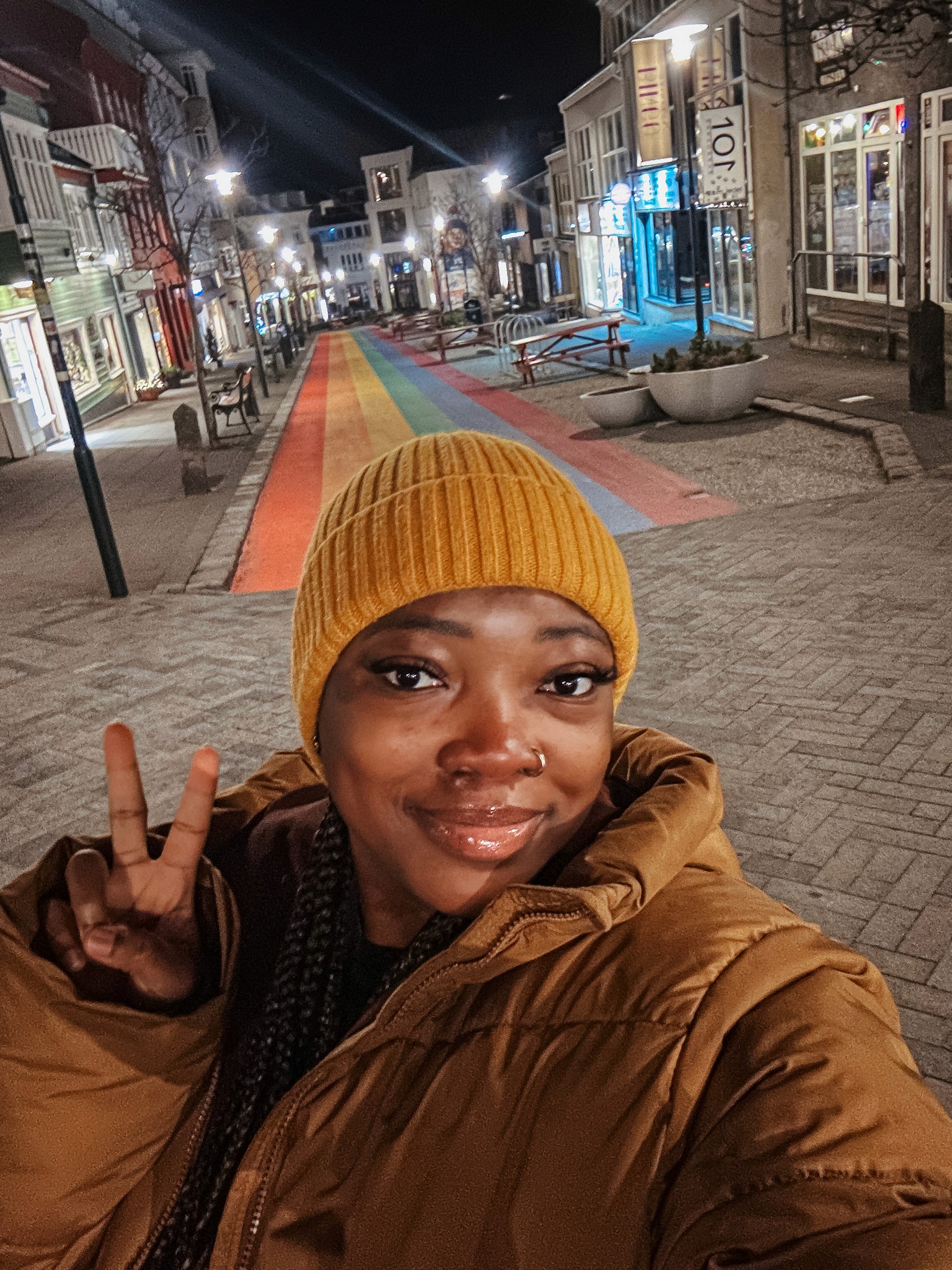
Blessing Bamiduro
Last Updated: April 2026
One of the most common questions I get about Iceland is whether you actually need to rent a car. The short answer: no. I spent 6 days doing Iceland solo travel without a car and never once felt limited. Between airport bus transfers, tour company pickups, and the walkability of central Reykjavík, the entire trip ran smoothly from arrival to departure.
This itinerary covers everything: glacier ice climbing, the Golden Circle, northern lights, ATVs, Sky Lagoon, and more all without sitting behind a steering wheel. If you’re planning Iceland solo travel without a car, this is the post I wish I’d had before I went.
Know Before You Go: Iceland Travel Basics
Before getting into the day-by-day breakdown, here’s what I think every solo traveler should know before arriving in Iceland.
Language: Icelandic is the official language, but English is widely spoken. I never had a communication issue.
Currency: Icelandic króna (ISK). Iceland is almost entirely card-based. I never needed cash the entire trip. Carry a card with no foreign transaction fees and you’re set.
Religion: Approximately 80% of the population is Lutheran, which shows up in the architecture (especially Hallgrímskirkja) and the general cultural rhythm of the country.
Where to stay: I stayed at CentreHotel in Reykjavík and highly recommend it for solo travelers. The location is central, walkable to most attractions, and close to the main bus stops and restaurant streets.
Getting around without a car: There’s no Uber in Iceland. Traditional taxis exist, along with a local ride share app, but both can be expensive. The good news is that most day tours include hotel pickup and drop-off, and the Reykjavík Excursions FlyBus connects the airport to the city center reliably. Iceland solo travel without a car requires a little more planning, but it’s entirely doable and most of your days will be spent on organized tours anyway.
Day 1: Arriving in Reykjavík
I flew into Keflavík International Airport and took the Reykjavík Excursions FlyBus to a central stop in the city. The bus runs every 30 minutes, which makes timing easy even if your flight lands at an odd hour. From the central stop, I caught a short connecting bus to the city center and walked to CentreHotel from there. A private transfer is another option if you’d rather skip the bus, several companies offer door-to-door service from the airport.
Exploring Reykjavík on Foot
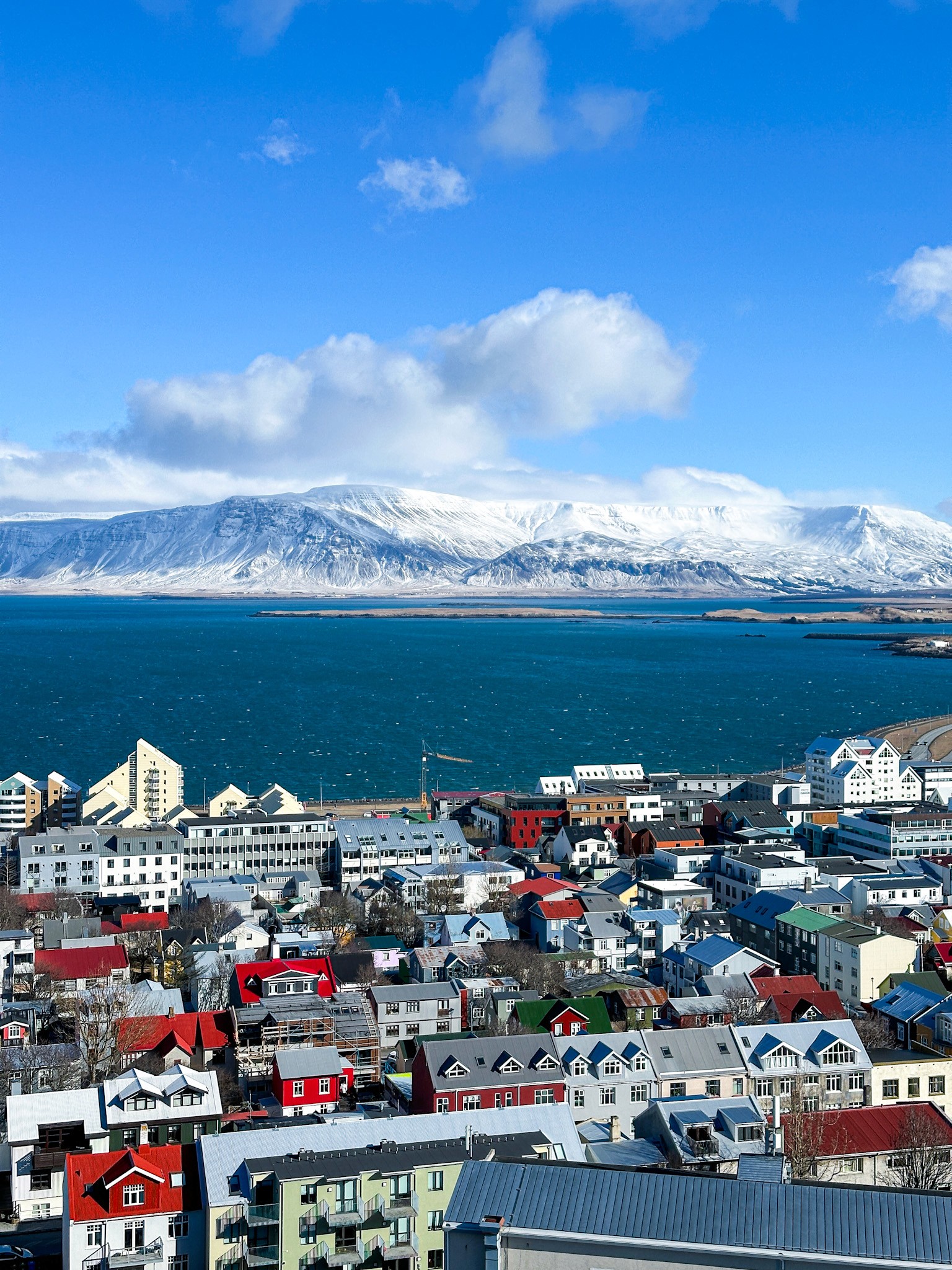
After settling in and freshening up, I walked to Rainbow Street (Skólavör›ustígur), one of the most photographed streets in Reykjavík and a natural route to Hallgrímskirkja Church. The church is striking from the outside, but the interior is worth stepping into. I did the prayer tree first, then paid the small fee to take the elevator to the rooftop observation deck. The panoramic view of Reykjavík from the top is one of the best vantage points in the city.
Dinner and Evening
I ended the day at Íslenski Barinn, a restaurant with a 4.7-star rating from over 4,000 reviews, and the reputation is earned. Traditional Icelandic dishes done well in a warm, casual setting.
If you’re visiting during performance season: One of the most Icelandic things I did on this trip was attend an orchestra performance at Harpa concert hall (Harpa tónlistarhús). The entire show was in Icelandic. I had no idea what anyone was saying. It was electrifying. Harpa itself is architecturally stunning and worth visiting even if you don’t catch a show.
Day 2: Golden Circle Day Trip
The Ultimate Day Tour From Reykjavík
The Golden Circle is the single most popular day trip from Reykjavík, and for good reason. I booked my tour through BusTravel Iceland (@bustravel_iceland on Instagram), and the entire experience was well-organized and packed with stops. The standard Golden Circle route includes four major stops:
Þingvellir National Park: a UNESCO World Heritage Site where the North American and Eurasian tectonic plates meet. Also the site of Iceland’s original parliament, established in 930 AD.
Geysir Geothermal Area: home to Strokkur, an active geyser that erupts every 5-10 minutes. The original Geysir (which gave all geysers their name) is mostly dormant now, but Strokkur puts on a show.
Gullfoss Waterfall: a massive two-tiered waterfall that drops 32 meters into a canyon.
Kerið Crater: a volcanic crater lake about 3,000 years old. The water is a vivid aquamarine against the red and black volcanic rock walls. It’s a short walk around the rim and down to the water, and one of those stops that photographs better than you’d expect.
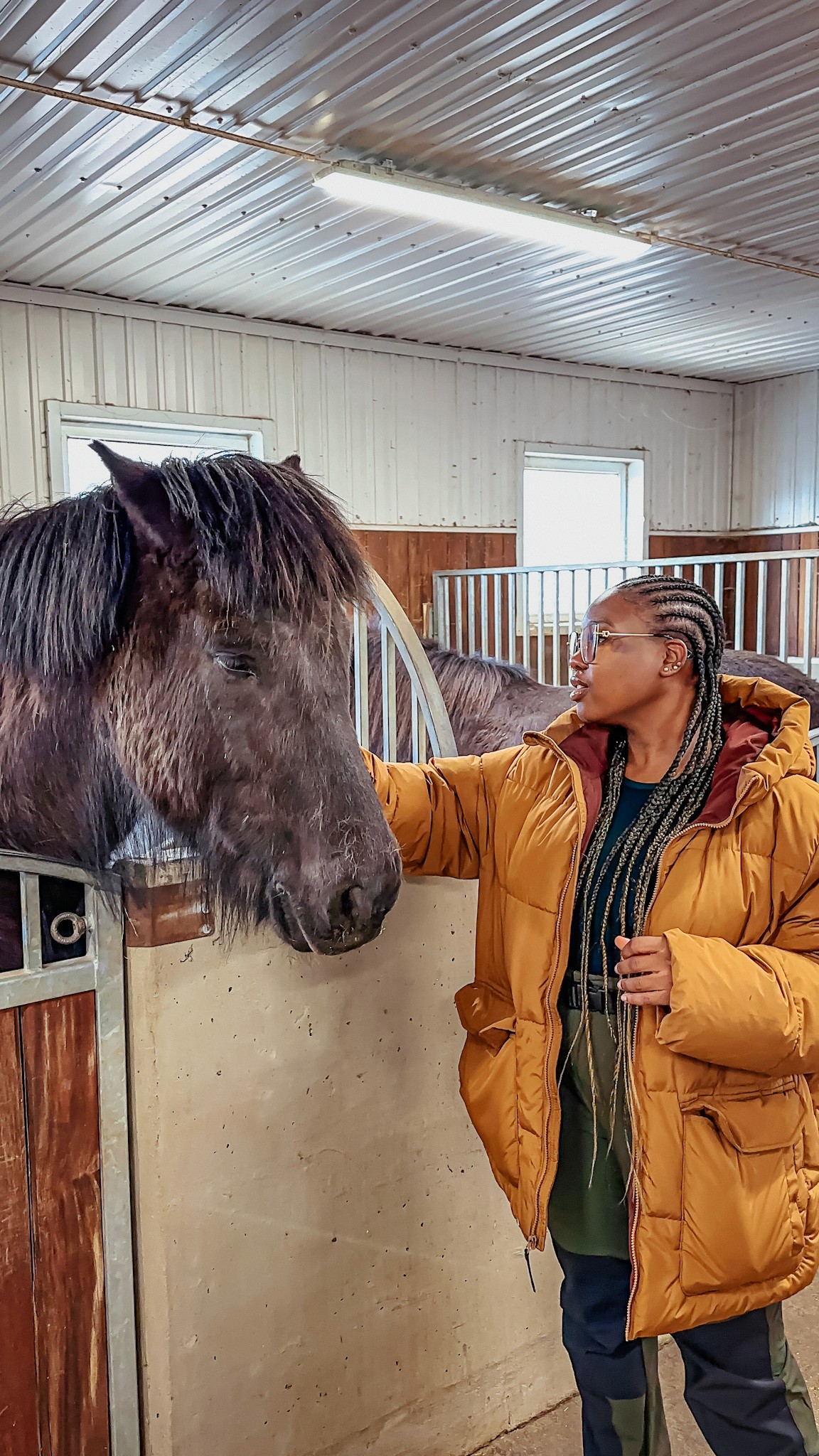
Friðheimar and the Icelandic Horses: My recommendation, find a Golden Circle tour that includes a stop at Friðheimar. The Icelandic horse breed is completely homegrown, Iceland does not import horses, and any Icelandic horse that leaves the country can never return. This policy has kept the breed genetically pure for over 1,000 years. Getting to see and interact with them at Fridheimar was one of the trip’s unexpected highlights.
Northern Lights Tour
That evening, I booked an aurora sighting tour with Aurora Viking. It was a small group experience, far more intimate than the large bus tours, and we drove outside the city to reduce light pollution. The northern lights showed up, and to cap the night off, the group dressed in full Viking gear for photos. Iceland solo travel has its surreal moments, and cosplaying as a Viking under the aurora was absolutely one of them.
Day 3: Glacier Ice Climbing at Sólheimajökull
I booked a full-day glacier ice climbing experience with Arctic Adventures, and it consumed the entire day, there was no room to add anything else, and I didn’t want to.
Skógafoss Waterfall
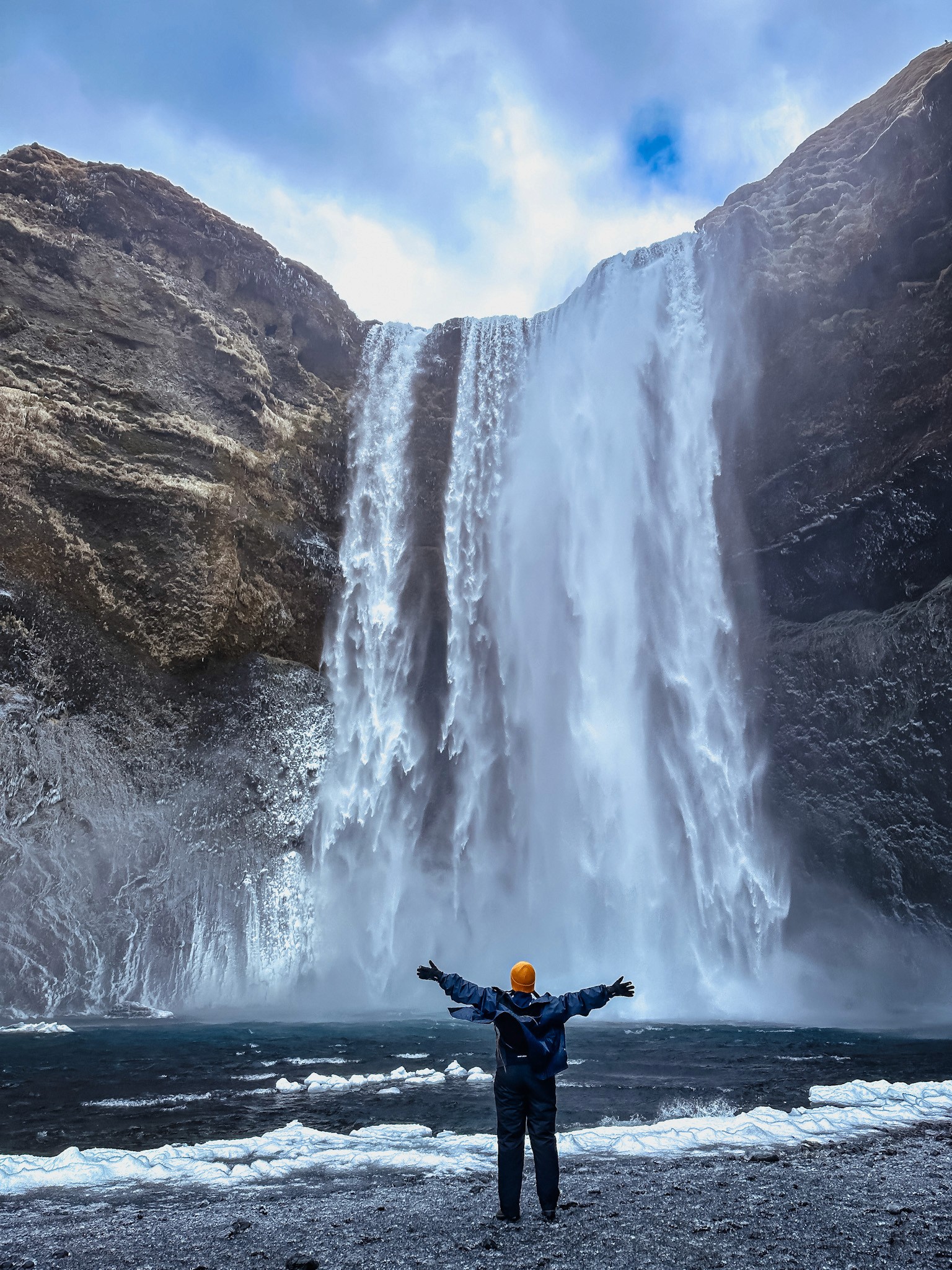
On the drive to the glacier, we stopped at Skógafoss one of Iceland’s most iconic waterfalls and a filming location for Game of Thrones. The waterfall drops 60 meters and you can walk right up to the base. On a clear day, you’ll see a rainbow in the mist.
The Ice Climb: the glacier experience itself was physically demanding and visually unreal. Crampons, ice axes, ropes, the full setup. The guides from Arctic Adventures were thorough with safety briefings and patient with beginners. Standing on a glacier, chipping into ice that’s been forming for centuries, is one of those activities that earns the rest of the trip. This was the most physically intense day of my Iceland solo travel itinerary, and also the most memorable.
Day 4: ATV Tour and Reykjavík Kitchen
Morning: Safari Quads ATV/Buggy Tour
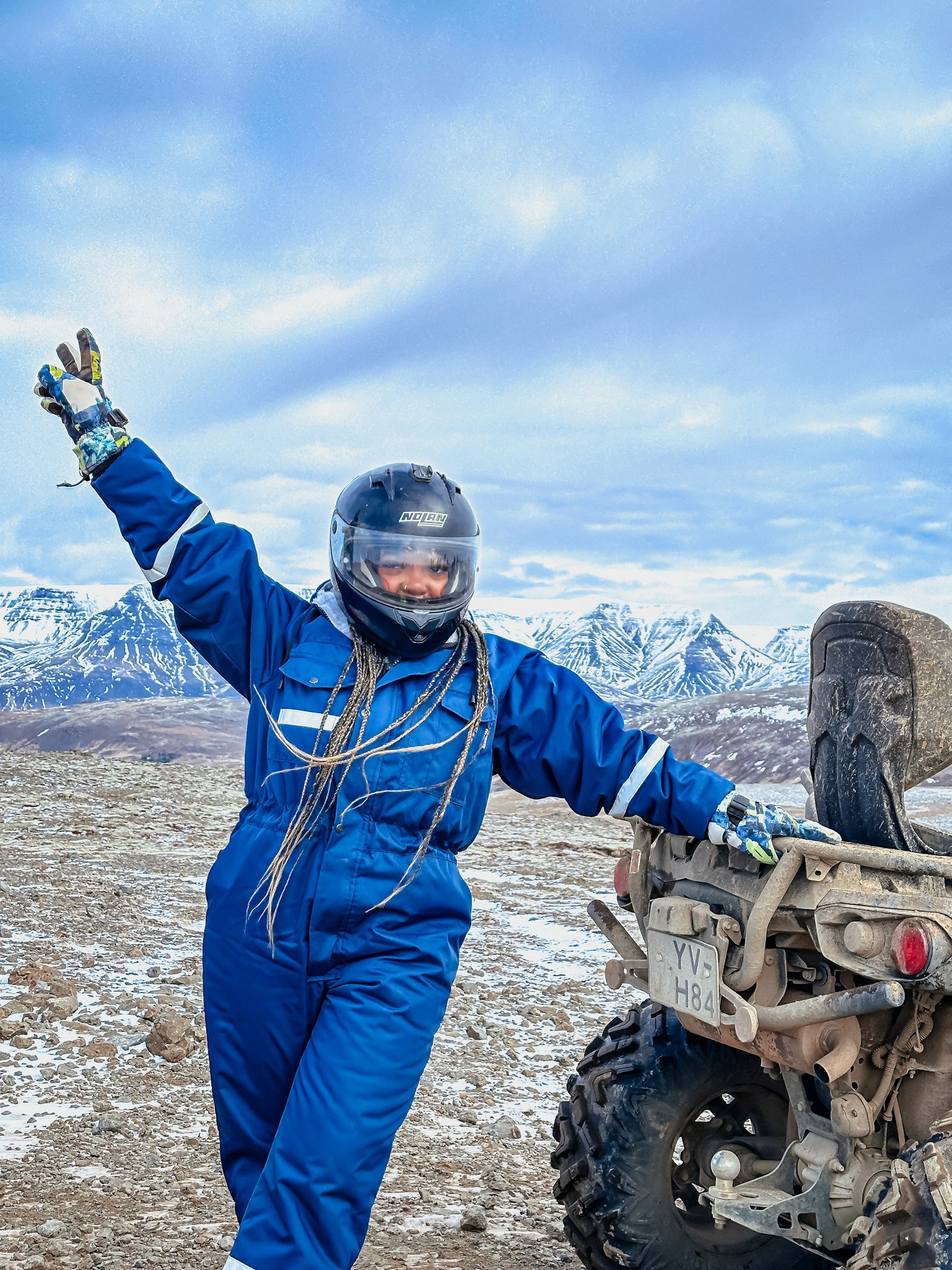
I booked a buggy tour with Safari Quads, about 3 hours total. The ride takes you through volcanic terrain and lava fields just outside Reykjavík, and the scenery is worth every minute. It’s a good mid-trip activity: physical enough to feel adventurous, short enough to leave room for the afternoon.
Lunch: Reykjavík Kitchen
After the tour, I went to Reykjavík Kitchen (@reykjavik_kitchen on Instagram) for what turned out to be the best squid ink pasta I’ve ever eaten. Not a sentence I expected to write about Iceland, but here we are. If you’re building a Reykjavík food list, this one goes on it.
Day 5: Slow Day, Lava, and Sky Lagoon
This was intentionally my low-pressure day. No early alarms, no full-day tours. Just presence over pace.
FlyOver Iceland
FlyOver Iceland is a flying theatre experience in the Grandi district of Reykjavík. You sit in a suspended seat in front of a 20-meter spherical screen while the ride simulates flight over Iceland’s landscapes, glaciers, volcanoes, coastlines. Wind, mist, and scents are piped in. It sounds gimmicky on paper, but the execution is impressive. A solid option if you have a couple of free hours, especially on a day with bad weather.
The Lava Show
The Lava Show is the only live lava show in the world. They superheat real lava to over 1,000°C and pour it in front of a live audience. The heat is real. The science is real. It’s one of those “only in Iceland” experiences.
Brauð & Co Bakery
I stopped at Brauð & Co for their famous snúður, Icelandic cinnamon rolls. The bakery sits near Hallgrímskirkja in a graffiti-covered building, and you’ll smell the cinnamon before you see the shop. The snúdur are warm, gooey, and widely considered some of the best cinnamon rolls in Iceland. Go early, they sell out.
Púfa
A quick stop at Púfa, a grassy turf dome art installation near the Old Harbour. Small, photogenic, and a nice place to sit for a few minutes before moving on.
Sky Lagoon
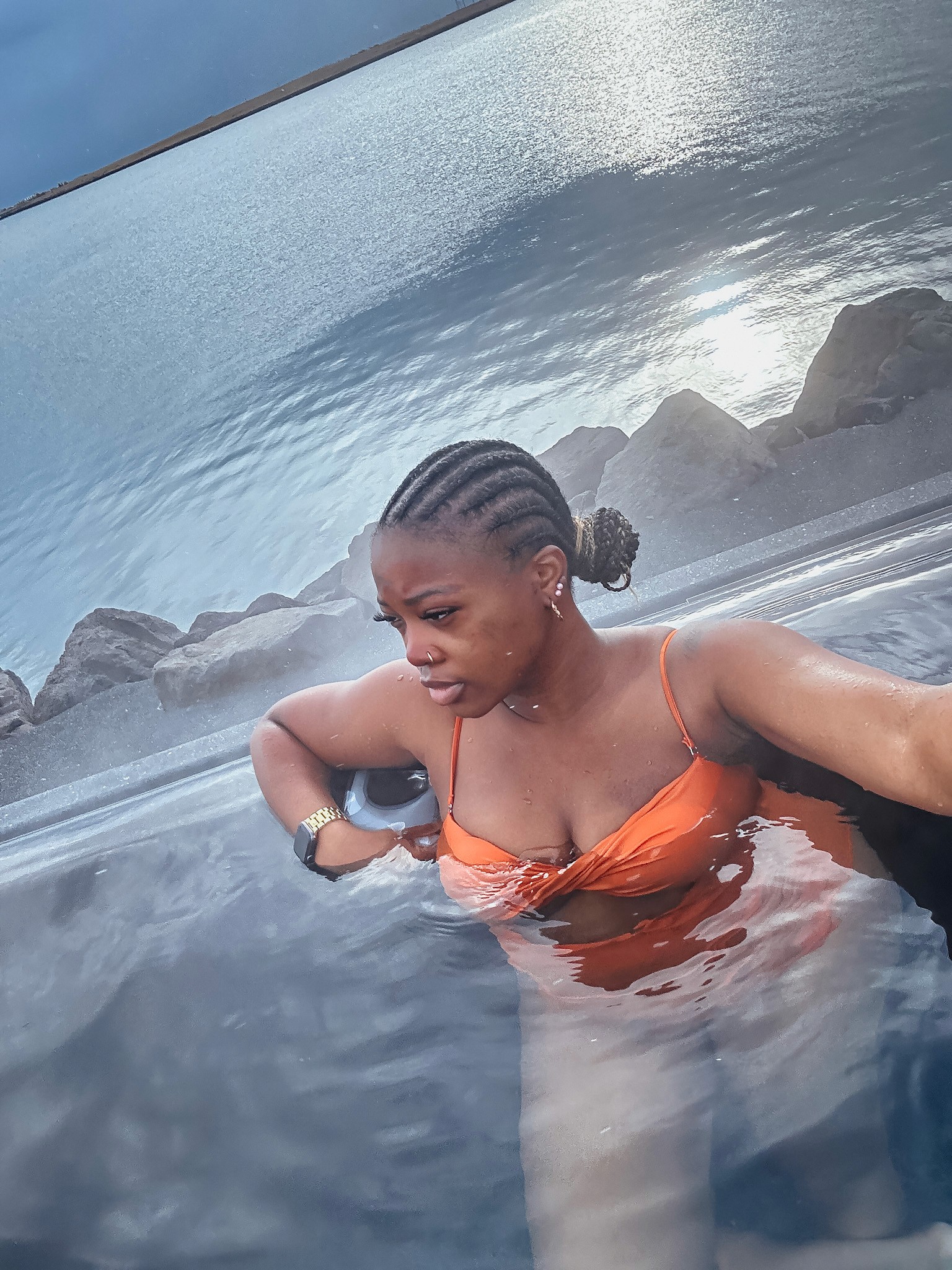
I ended the day, and essentially the trip - at Sky Lagoon. Not Blue Lagoon. Sky Lagoon. I booked the Sky package, which includes a private changing room and shower, and did the full 7-step ritual. The ritual moves you through a geothermal lagoon, cold plunge, sauna, cold mist, scrub, steam room, and back to the lagoon. Step 3, the hot sauna has a floor to ceiling glass wall looking directly out at the North Atlantic. It’s one of the best sauna views I’ve seen anywhere in the world. If you’re doing Iceland solo travel and want one splurge-worthy experience, make it Sky Lagoon. It’s the kind of ending a trip like this earns.
Day 6: Departure
Took the FlyBus with Reykjavík Excursions back to Keflavík International Airport. Same route as arrival, just reversed, clean, easy, no surprises. A fitting end to six days of Iceland solo travel without a car.
How to Get Around Iceland Without a Car
Here’s the practical summary for anyone building an Iceland solo travel itinerary without renting a car: Airport transfers: Reykjavík Excursions FlyBus runs every 30 minutes between Keflavík Airport and central Reykjavík. Private transfers are also available.
Day tours: Most tour companies (BusTravel Iceland, Arctic Adventures, Safari Quads, Aurora Viking) include hotel or central pickup and drop-off. This covers the Golden Circle, glacier activities, ATV tours, and aurora excursions.
Within Reykjavík: Central Reykjavík is compact and walkable. FlyOver Iceland, the Lava Show, Brau› & Co, Hallgrímskirkja, Rainbow Street, and Sky Lagoon are all reachable on foot or via a short taxi/bus ride.
Taxis and rideshare: Traditional taxis and a local rideshare app are available. They’re pricier than you’d expect, but useful for occasional trips (like getting to Sky Lagoon if you don’t want to walk).
FAQ: Solo Travel in Iceland
Is Iceland safe for solo travelers? Yes. Iceland consistently ranks among the safest countries in the world. I felt completely comfortable navigating Reykjavík alone at all hours, and every tour group I joined was welcoming.
Do I need to speak Icelandic? No. English is spoken widely across Reykjavík, and every tour guide I encountered spoke fluent English.
Is it worth visiting Iceland without doing the Ring Road? Absolutely. The Ring Road is a separate kind of trip, typically 7-10 days with a rental car. A Reykjavík-based itinerary like this one gives you glaciers, waterfalls, geothermal fields, the aurora, and the Golden Circle without needing to drive at all.
When is the best time to visit Iceland solo? September through March for northern lights. June through August for midnight sun and warmer weather. I visited during aurora season, which meant shorter days but unforgettable nights.
Should I book Sky Lagoon or Blue Lagoon? I chose Sky Lagoon and have zero regrets. The 7-step ritual, the ocean-view sauna, and the overall atmosphere felt more intentional and less tourist-factory than what I’d heard about Blue Lagoon. Both are valid, but Sky Lagoon was the right call for this trip.
Can I see the northern lights from Reykjavík? Light pollution in the city makes it difficult but still you can see. I saw it from Reykjavik. Book a tour that drives you outside the city, I used Aurora Viking and it was a small, well run group experience.
Final Thoughts
Iceland solo travel without a car isn’t a compromise. It’s a design choice. Every day on this itinerary was full, glaciers, golden circles, lava, northern lights, the best sauna view I’ve ever seen and none of it required a rental car or a road trip mindset. If I’ve been there, you have everything you need to go too. Save this, bookmark it, and when the time comes, use it.
Instagram @adventures.withb
Adventures With B — Curiosity makes every destination worth it.